Gas Water Heater Parts
Selecting a gas water heater involves more than size, capacity, and budget. Professionals also consider the internal components of gas water heaters to help refine their selections. They evaluate critical components to ensure the heaters meet the operating requirements for commercial and residential buildings.
Core Components for Safety Operation
Cold water enters the bottom of the tank, replacing heated water that is being removed. However, heated water expands, increasing the pressure inside a water heater. The following gas water heater parts are designed to regulate temperature and minimize corrosion.
Temperature and Pressure Relief Valve (T&P Valve)
T&P valves are designed to open when internal thresholds are exceeded (usually 210°F or 150 PSI). Releasing water or steam cools the heater, preventing a catastrophic failure. Inspecting the T&P valve for possible wear and tear should be part of an annual maintenance program.
Sacrificial Anode (Anode Rod)
Water contains corrosive elements that, left to accumulate, can cause rusting. Anode rods, often made from magnesium or aluminum, are placed inside the tank to attract the corrosive elements and reduce rust buildup. When the rod is spent, it no longer attracts these elements, leaving the tank vulnerable to corrosion. Replacing spent anode rods should be included in annual maintenance.
Drain Valve
Small particles or sediment can build up at the tank's base. When the drain valve is opened, it flushes the water and sediment from the tank. This flushing should be part of routine maintenance to ensure maximum efficiency.
Dip Tube
Cold water must enter the bottom of the gas water heater to prevent it from mixing with the heated water, which can cause thermal stacking. Thermal stacking creates uneven water temperatures within the tank, resulting in increased temperatures that exceed the thermostat settings. The dip tube directs cold water to the base of the tank.
Critical Components for Heat Generation and Regulation
Cold water enters the tank at the bottom as directed by the dip tube. The pilot light ignites the main burner, which heats the water and vents toxic byproducts to the outside. The following gas water heater parts generate and regulate hot water.
Thermostat
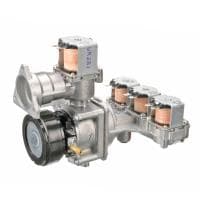
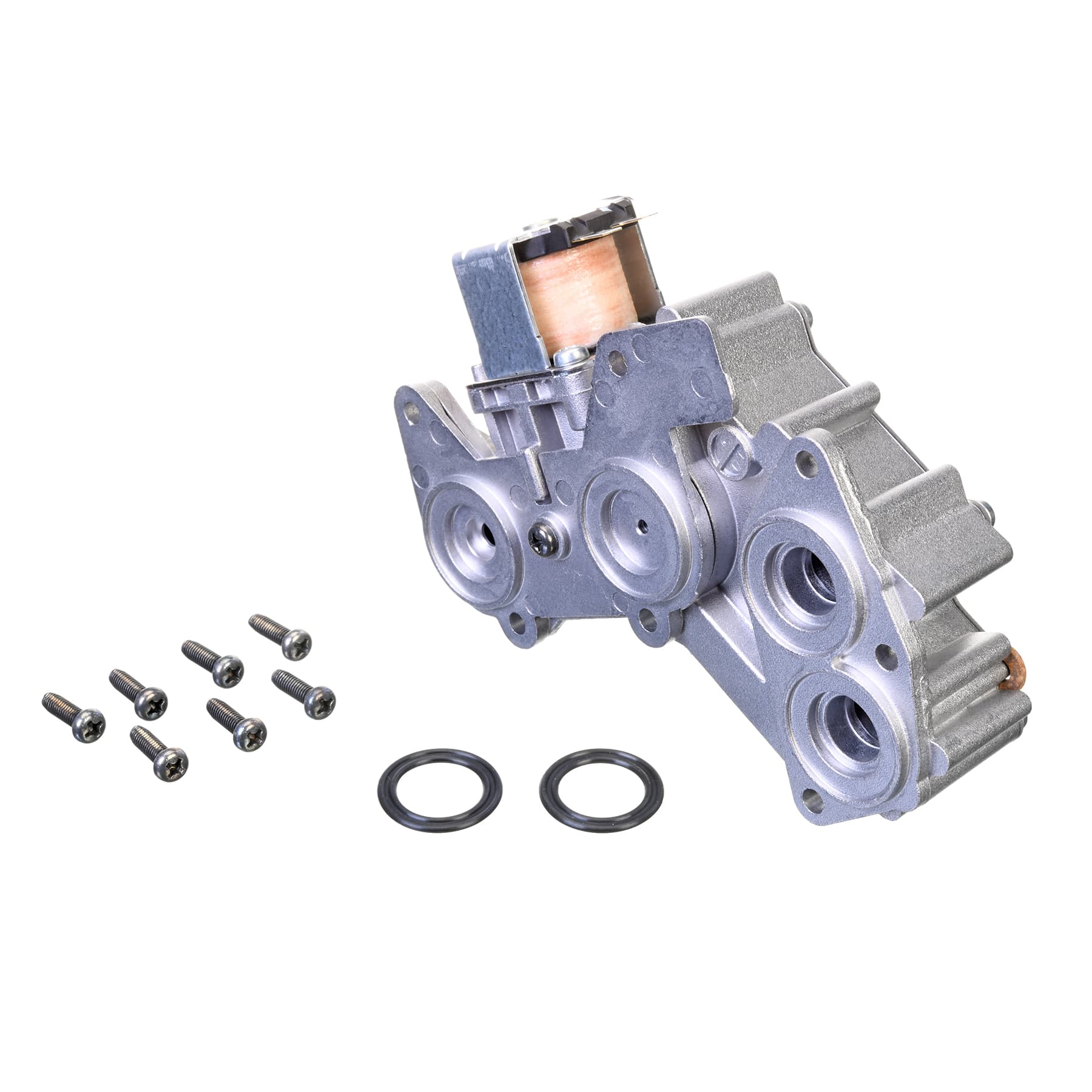
Thermostats are used to set the hot water temperature. As part of the gas control valve, the thermostat monitors the water temperature to ensure it does not exceed its maximum setting. Without its regulation, the water heater would be unable to maintain a consistent water temperature, exceed its safe operating limits, or fail to heat incoming water.
Thermocouple and Pilot Light
Gas water heaters use pilot lights to indicate that gas is available. The continuous flame ignites when water needs to be heated. If the pilot light goes out, the thermocouplers signal the gas control valve to shut off the gas supply. Otherwise, gas would continue to be released, creating a life-threatening hazard.
Gas Burner Assembly
As the gas burns, it heats the water surrounding the flue, a pipe that separates the water from the gas flame. The flue is part of the venting system that removes toxic byproducts.
Venting System
The flue baffle is designed to slow the release of gas and moisture from the water tank. The slower release allows more heat to transfer from the gases to the tank's water, which improves efficiency and reduces gas consumption. If the flue becomes blocked, it can push the escaping carbon monoxide and moisture into the building, damaging the gas heater and the surrounding area.
Key Gas Water Heater Terms
Efficiency and safety are critical factors when selecting a gas water heater. Knowing rating terminology can help refine a search.
Uniform Energy Factor. UEF is a comparative rating by the US Department of Energy that indicates a water heater's efficiency. The higher the UEF, the better the efficiency.
First Hour Rating. FHR is a performance metric that indicates how many gallons of hot water a heater can deliver in one hour.
Flammable Vapor Ignition Resistant. Water heaters should display an FVIR standard label to indicate they have sensors to detect flammable fumes outside the heater.
Low NOx. In some jurisdictions, a water heater with a low or ultra-low NOx rating may be required. A low NOx rating means the heater releases fewer pollutants than standard ones.
British Thermal Units. BTUs indicate the heat needed to raise the temperature of one pound of water one degree Fahrenheit. The higher the BTUs, the more powerful the heater.
Contact Water Heaters Only
Speak with our knowledgeable team to discover the right gas water heater for any installation and learn more about expert installation services in your area. Contact us to learn more.